
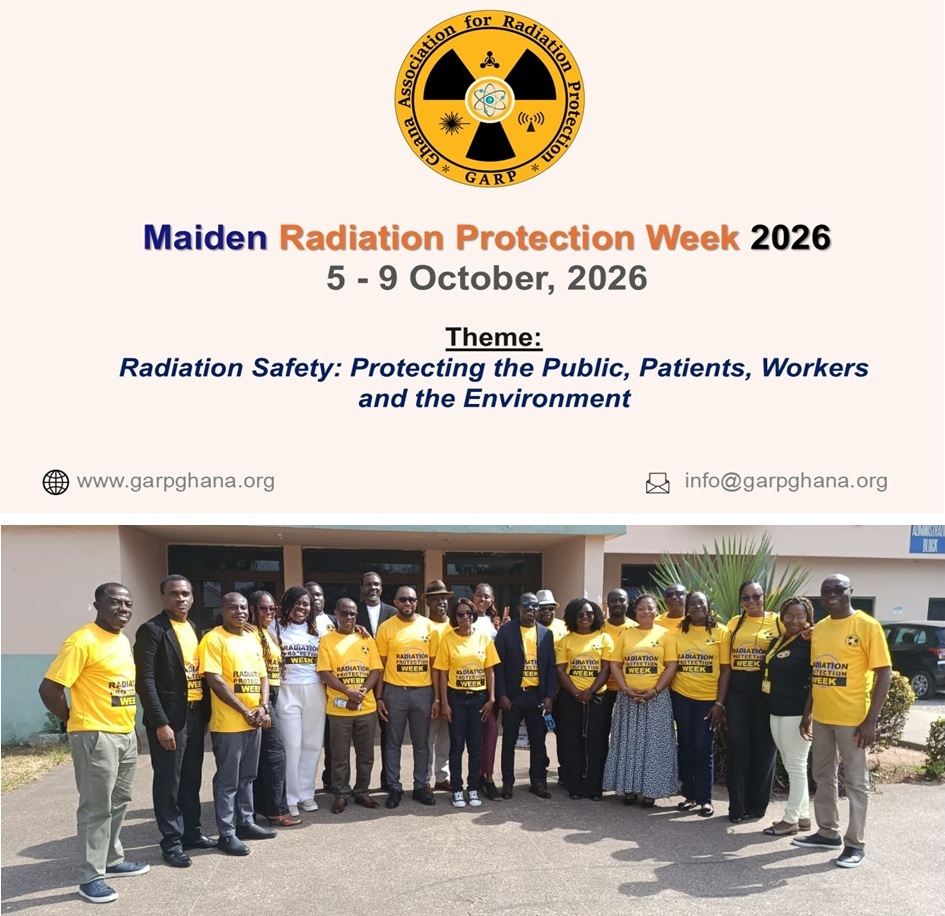
Accra, Ghana, 9 October 2026 – Ghana has marked its maiden Radiation Protection Week, an initiative led by the Ghana Association for Radiation Protection (GARP) to raise public awareness of radiation safety, recognise the contributions of radiation protection professionals, and strengthen a culture of safety across the country. The initiative marks a significant step in GARP’s efforts to elevate public engagement with radiation protection and could provide a model for similar professional-led initiatives elsewhere in Africa.
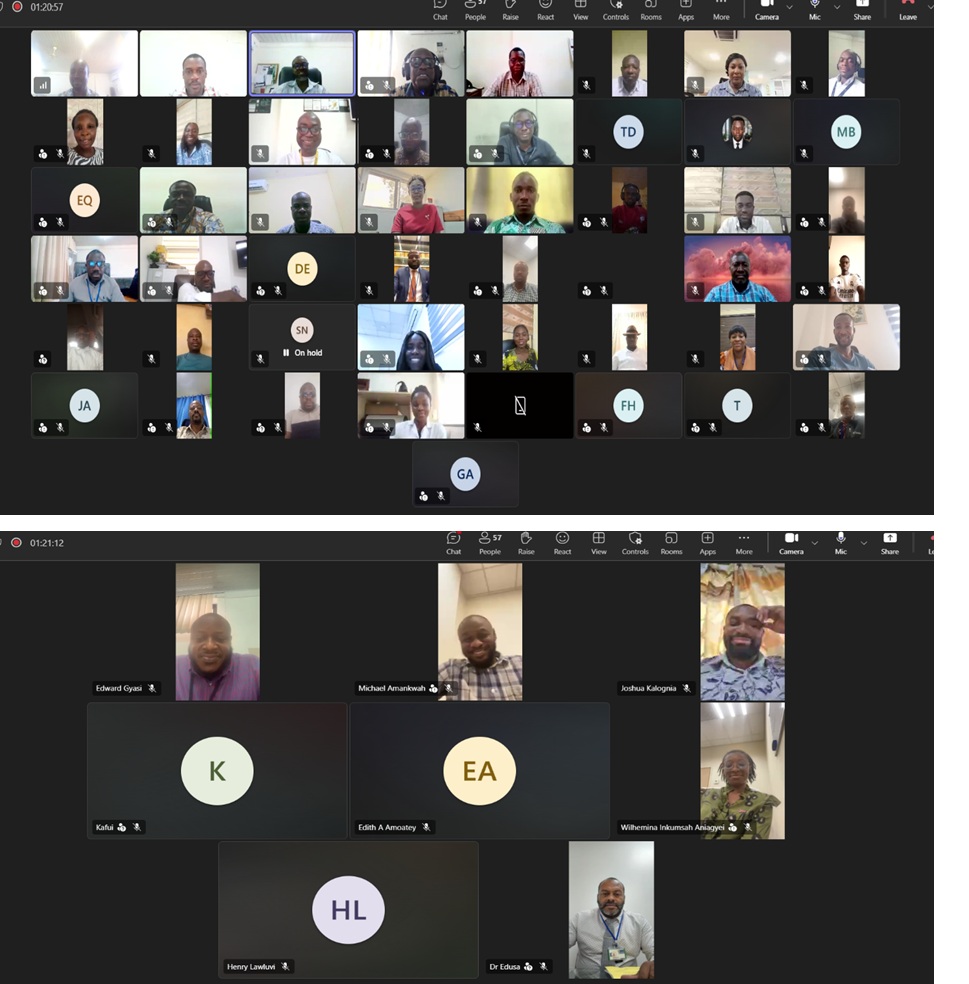
Launched virtually on 5th October 2026, the week-long celebration was held under the theme “Radiation Safety: Protecting the Public, Patients, Workers, and the Environment.” Activities included a Non-Ionizing Radiation Symposium on 7th October, a public sensitisation and awareness exercise, and a members’ social and networking event on 9th October.
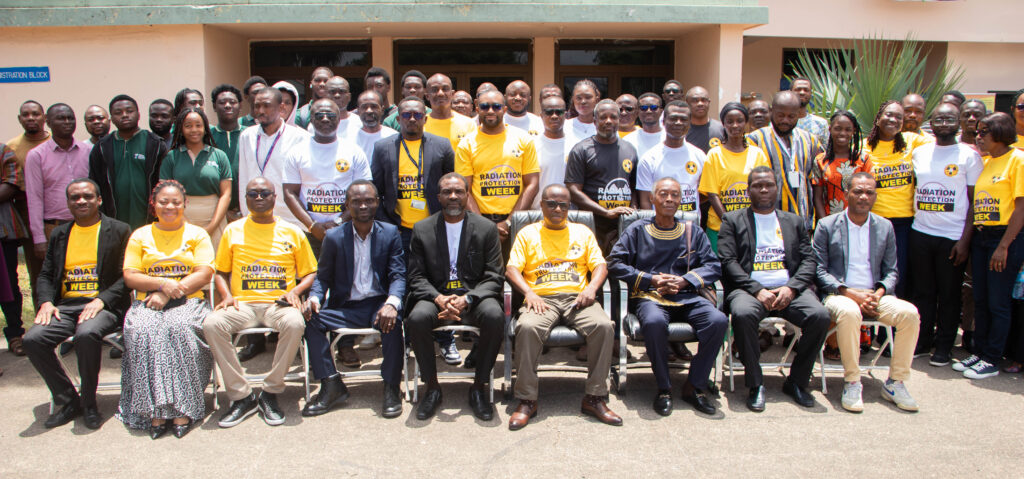
Welcoming the over 60 participants to the official launch of the Week, Prof. Joseph K. Amoako, President of GARP, described the occasion as historic, noting that it marked the first time in Ghana’s history that an entire week had been dedicated to highlighting the vital role of radiation protection professionals, practitioners and institutions. He traced the development of the profession in Ghana through the evolution of radiation protection legislation, specialist training at the School of Nuclear and Allied Sciences (SNAS), and the establishment of GARP in 2015 to promote professionalism and excellence in radiation protection.
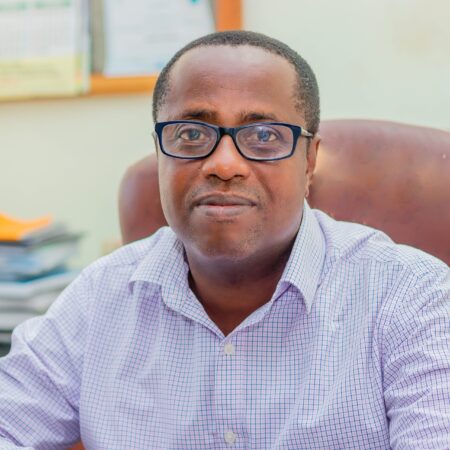
Professor Amoako emphasised the importance of radiation protection in medicine, industry and environmental management, particularly in safeguarding workers, patients, the public and the environment. He also acknowledged the contributions of pioneering professionals, including Prof. J. J. Fletcher, Prof. Cyril Schandorf and Prof. Francis Otoo, to the development of the Association.
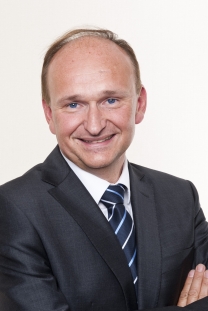
In a prerecorded message, Dr. Bernard Le Guen, an Executive Officer of the International Radiation Protection Association (IRPA) and former President of IRPA, commended Ghana’s continuing contribution to the international radiation protection community. He recalled the Sixth African Regional Congress on Radiation Protection (AFRIRPA 06), held in Ghana in October 2022, and the 11th International Symposium on Naturally Occurring Radioactive Material (NORM XI), hosted by Ghana in 2025. NORM XI was the first symposium in that international series to be held in sub-Saharan Africa, further highlighting Ghana’s contribution to advancing radiation-protection dialogue on the continent.
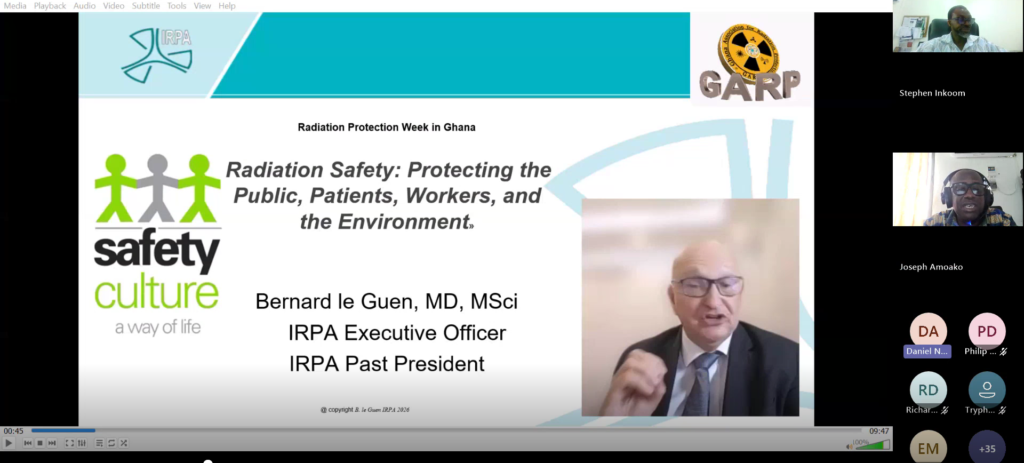
Dr. Le Guen stressed that radiation safety must extend beyond technical rules and procedures to become an integral part of organisational culture. In healthcare, he explained, responsibility for safety must be shared across the entire organisation rather than resting solely with the radiation protection officer. He advocated a shift from a blame-oriented environment towards a learning culture in which professionals can report errors, discuss near misses and identify improvements. Such an approach, he observed, strengthens both radiation safety and the quality of patient care.
During the launch, the importance of addressing non-ionising radiation was reinforced by the National Communications Authority (NCA). Delivering a goodwill message on behalf of the Authority’s Director-General, Mr. Peter Onyekwere of the Regulatory Administrative Division of the NCA highlighted the central role of radio waves in mobile communications, broadcasting and digital financial transactions. He noted that the public deserved clear, credible and science-based information about the safety of these technologies.
Mr. Onyekwere outlined the NCA’s responsibilities regarding electromagnetic safety, equipment type approval and monitoring as Ghana expands its communications infrastructure, including the rollout of 5G services. He welcomed opportunities for deeper collaboration with GARP and other stakeholders in research, capacity-building and public education.
Similarly, Dr. Theresa Dery, General Secretary of the Ghana Society for Medical Physics (GSMP), congratulated GARP on the initiative and pledged the Society’s support. She highlighted the role of medical physicists in ensuring that patients receive appropriate radiation doses for accurate diagnosis and effective treatment while safeguarding healthcare workers, the public and the environment. She also emphasised the close relationship between medical physics and radiation protection, endorsing the week-long celebration as an important platform for strengthening the culture of safety.
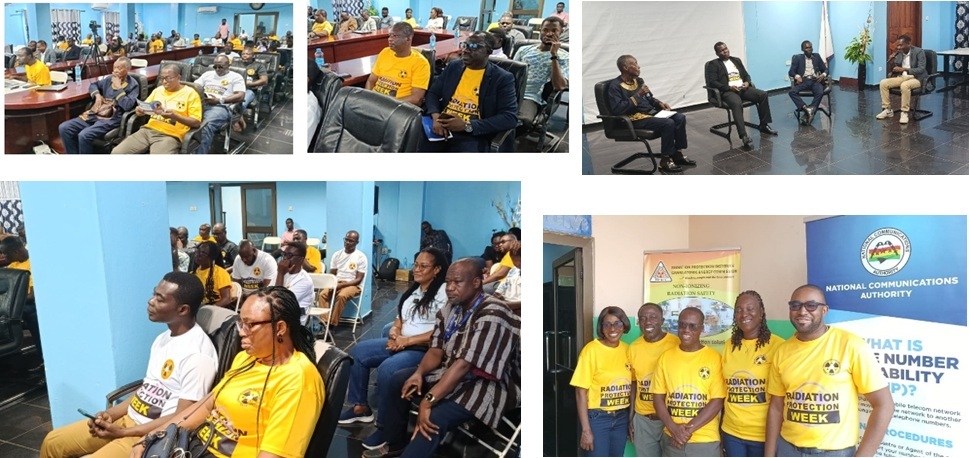
During the Week, the Non-Ionizing Radiation Symposium, held on Wednesday, 7th October, and chaired by Rev. Dr. Samuel Akoto Bamford brought together radiation protection professionals and stakeholders to examine the applications, benefits and safety considerations associated with non-ionising radiation in healthcare, telecommunications, industry and other sectors. Dr. Philip Deatanyah of the Radiation Protection Institute (RPI), Dr. Roland Yaw Kudozia of the National Communications Authority (NCA) and Mr. Desire Akakpoe of the Ghana Investment Fund for Electronic Communication (GIFEC) shared their institutional perspectives on the subject. The symposium provided an opportunity to address public concerns surrounding modern technologies and promote informed, evidence-based understanding of their safe use.
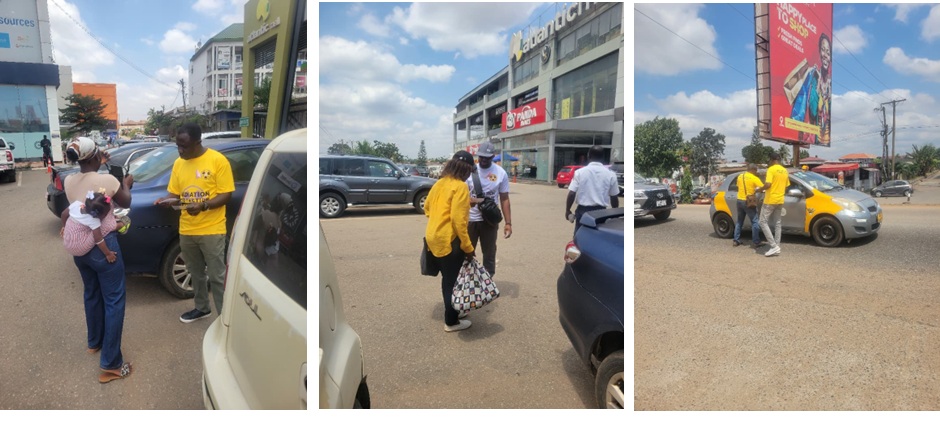
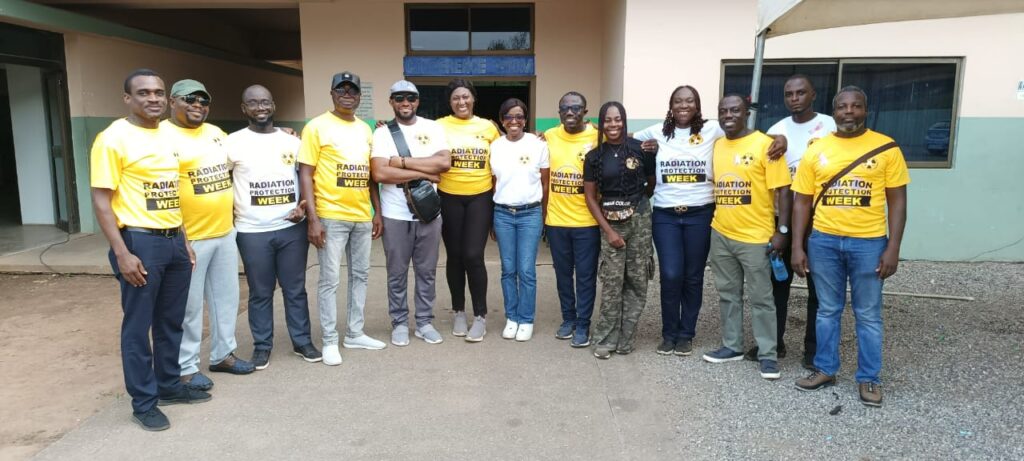
On Friday, 9th October, GARP members extended the campaign to the public through a sensitisation and awareness exercise along selected streets and at lorry stations in Haatso and Atomic Junction in the Ga East Municipality of the Greater Accra Region. Participants distributed educational leaflets and engaged members of the public on radiation and its applications. The outreach also addressed breast cancer – including its causes, common myths and the importance of screening and early detection in reducing avoidable deaths.
At the members’ social and networking event, Professor Amoako called for concerted efforts to establish a framework and professional development pipeline to nurture the next generation of radiation protection professionals. He also encouraged members to register for and submit abstracts to the forthcoming 7th African Regional Congress of the International Radiation Protection Association (AFRIRPA 7), scheduled to take place in Nairobi, Kenya in February 2027.
This maiden celebration provides Ghana with an opportunity to build a distinctive and sustained national platform for radiation safety awareness, professional development and stakeholder engagement. With continued annual observance, broader participation and stronger partnerships with African and international organisations, the initiative could evolve into a model for regional collaboration.
As Ghana consolidates this milestone, the longer-term ambition is to extend the reach of Radiation Protection Week beyond national borders, strengthen radiation-safety culture across institutions and contribute to a more informed and protected public throughout Africa. The initiative also offers an opportunity for Ghana to encourage other countries to adopt similar platforms, helping to make radiation safety a more prominent and enduring component of Africa’s public-health, scientific and technological development agenda.
Participants in the maiden Radiation Protection Week in Ghana expressed their appreciation to the executives and members of GARP, and their collaborators who have worked tirelessly to make this celebration successful.
Story by:
Daniel N. Adjei, PhD
Research Scientist, &
Member of GARP


